
Call: 08071931500
 Send Inquiry
 Send Inquiry
Transmission Distribution
MOQ : as per customer requirement , , Unit
Transmission Distribution Specification
- Components
- Busbars, Switchgear, Circuit Breakers, Meters, Relays, CT/PT
- Usage
- Industrial, Commercial, Utility
- Sensors Specification
- Voltage/Current Sensing Transformers
- Output
- Stepped-down usable voltage
- Display Type
- Analog and Digital Metering
- Response Time
- Instantaneous (electromechanical)
- Input
- High-voltage electricity
- Power Supply
- AC
- Interface
- Control Switches, HMI (optional)
- Thermal Conductivity
- Standard for electrical panels
- IP Rating
- IP54/IP55
- Features
- Robust construction, high reliability, safety interlocks, easy maintenance
- Power Source
- Mains Electric Supply
- Operating Temperature
- -10C to +55C
- Product Type
- Transmission and Distribution Panel
- Application
- Electrical power distribution, substation, grid
- Rated Voltage
- 11 kV
- Supply Voltage
- Up to 33 kV
- Size
- Customizable
- Dimension (L*W*H)
- Depends on capacity and configuration
- Function
- Transmission and Distribution of electrical power
- Color
- Grey
- Weight
- Variable (as per capacity)
- Capacity
- Up to 5000 Amps
- Current Rating
- Up to 5000 A
- Thickness
- Customized as per order
- Frequency
- 50/60 Hz
- Ambient Humidity
- Up to 95% RH
- Compliance Standard
- IEC, IS standards
- Short Circuit Withstand
- Up to 50 kA for 1 sec
- Panel Material
- Mild Steel/CRCA Sheet
- Busbar Material
- High conductivity copper/Aluminum
- Protection Class
- Class I
- Enclosure Type
- Sheet metal, modular design
- Assembly
- Fully assembled and factory tested
- Cooling System
- Natural air/forced ventilation
- Mounting Type
- Floor standing / Outdoor & Indoor
- Finish
- Powder coated anti-corrosive paint
- Transportability
- Designed for easy transport and installation
- Rated Impulse Withstand Voltage
- Up to 75 kVp
- Earthing Provision
- Double earthing provided
Transmission Distribution Trade Information
- Payment Terms
- Telegraphic Transfer (T/T)
- Main Export Market(s)
- Australia, North America, Eastern Europe, Western Europe, Africa, Central America, Middle East, South America, Asia
- Main Domestic Market
- All India
About Transmission Distribution
We are rated among the leading Traders, suppliers, exporters, contractors and consultants of Transmission & distribution equipment and projects. Our Transmission & distribution projects are funded by Rajiv Gandhi Grameen Vidyutikaraqn Yojna of Government of India which aims to improve the rural electrification scenario. We execute our 33 and 11 kv power distribution network projects in association with various state power distribution companies of India. We have worked with major central government utilities like PGCIL, DVC, NTPC and state utilities of Maharashtra, MP, West Bengal and UP to distribute electricity to more than 1000 villages across India.
"Electric transmission" redirects here. For vehicle transmissions, see diesel-electric transmission.
Electric power transmission is the bulk movement of electrical energy from a generating site, such as a power plant, to an electrical substation. The interconnected lines which facilitate this movement are known as a transmission network. This is distinct from the local wiring between high-voltage substations and customers, which is typically referred to as electric power distribution. The combined transmission and distribution network is known as the "power grid" in North America, or just "the grid". In the United Kingdom, the network is known as the "National Grid".
A wide area synchronous grid, also known as an "interconnection" in North America, directly connects a large number of generators delivering AC power with the same relative frequency to a large number of consumers. For example, there are four major interconnections in North America (the Western Interconnection, the Eastern Interconnection, the Quebec Interconnection and the Electric Reliability Council of Texas (ERCOT) grid). In Europe one large grid connects most of continental Europe.
Historically, transmission and distribution lines were owned by the same company, but starting in the 1990s, many countries have liberalized the regulation of the electricity market in ways that have led to the separation of the electricity transmission business from the distribution business.[1]
High Reliability and Versatility
Our transmission and distribution panels bring exceptional reliability and safety to power systems, accommodating challenging humidity and temperature conditions. Designed for both indoor and outdoor use, the modular construction and IP54/IP55 protection rating ensure effortless adaptability in varied locations. Each panel supports both natural and forced cooling, offering operational flexibility as per environmental demands.
Comprehensive Protection and Safety Measures
Enhanced with Class I protection, double earthing, and high short circuit withstand (50 kA), these panels ensure stringent operational safety. Sophisticated features such as safety interlocks and robust construction provide added peace of mind, while compliance with IEC and IS standards guarantees dependable service across all industrial and utility sectors.
Customizable for Every Application
Available in customized dimensions, thickness, and capacity (up to 5000A), this panel is versatile enough to meet specific project requirements. Each unit is fully factory-assembled, factory-tested, and designed for easy transport, streamlining both installation and commissioning. Serviceability and easy maintenance features ensure smooth, long-term operation.
FAQs of Transmission Distribution:
Q: How is the transmission and distribution panel installed, and where can it be used?
A: These panels are floor standing, designed for straightforward installation in both outdoor and indoor settings. Common applications include industrial facilities, commercial complexes, substations, and grid installations.Q: What components are included in the panel, and what are their functions?
A: The panel includes busbars (copper or aluminum), switchgear, circuit breakers, meters (analog/digital), relays, CT/PT, and optional HMI. These components collectively ensure efficient electrical power distribution, monitoring, control, and safety.Q: When should forced ventilation be implemented instead of natural air cooling?
A: Forced ventilation is recommended in environments with high ambient temperatures or limited natural airflow. It enhances cooling efficiency, safeguarding panel performance under demanding conditions.Q: What benefits does the powder-coated anti-corrosive finish provide?
A: The powder-coated, anti-corrosive finish protects the mild steel/CRCA sheet enclosure from harsh weather, humidity (up to 95% RH), and industrial pollutants, thereby prolonging the panels lifespan and maintaining visual and structural integrity.Q: How does the modular design contribute to the panels functionality?
A: The modular sheet metal enclosure enables tailored configuration and convenient expansion as per specific project needs. It simplifies maintenance, adaptation, and upgrades throughout the panels operational life.Q: What makes this panel compliant with safety and quality standards?
A: The panel adheres to IEC and IS standards, features Class I protection, double earthing, safety interlocks, and is subjected to complete factory testing. These factors collectively ensure it delivers safe and reliable power distribution.Q: Where can the panels be transported and installed, and what is the process for commissioning?
A: Panels are engineered for easy transportation and on-site installation. Upon delivery, they arrive fully assembled and pre-tested, streamlining the commissioning process and minimizing downtime during setup.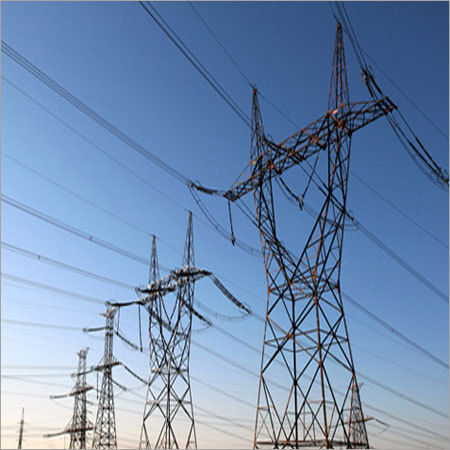
Tell us about your requirement

Price:
Quantity
Select Unit
- 50
- 100
- 200
- 250
- 500
- 1000+
Additional detail
Mobile number
Email


Company Profile
Contact Details
LEEWO Contracts Private Limited
GST : 06AADCL2998N1ZU
GST : 06AADCL2998N1ZU
- Office: 1D-98, NIT, Faridabad - 121001, Haryana, India
- Phone :08071931500

 Send Inquiry
Developed and Managed by Infocom Network Private Limited.
